Indiana artificial grass helps property owners build dependable, low-maintenance outdoor spaces that remain green through shifting temperatures, seasonal rain, and mixed soil conditions. At SYNLawn, we’ve installed turf in many different environments, and one lesson has proven true in every project: installation quality defines the result. Turf technology matters, but professional installation is what turns materials into a complete surface that performs day after day.
When someone sees a finished turf surface, the part they notice first is color, softness, and texture. The part they don’t see is the structure beneath the blades—the base depth, compaction, drainage plan, seam layout, and infill that supports everything above it. Those elements shape how long turf lasts, how real it looks, and how naturally it handles use over time.
Proper Installation Creates Reliable Performance
The long-term success of Indiana artificial turf relies on how the system is built from the ground up. In climates where seasons change dramatically, installing turf requires more than rolling out material. The base must be engineered to stay stable during freeze-thaw cycles, heavier moisture, and soil movement. When installation is done correctly, the surface feels solid, drains fast, and maintains level consistency through temperature swings.
Incorrect installation often reveals itself over time—soft spots forming under furniture, depressions where water once pooled, or seam edges lifting as the base shifts. Those challenges don’t come from the turf itself. They come from shortcuts underground. That’s why SYNLawn focuses on building every layer with intention. We approach installation as a system, not a step.
The Foundation: Base Preparation
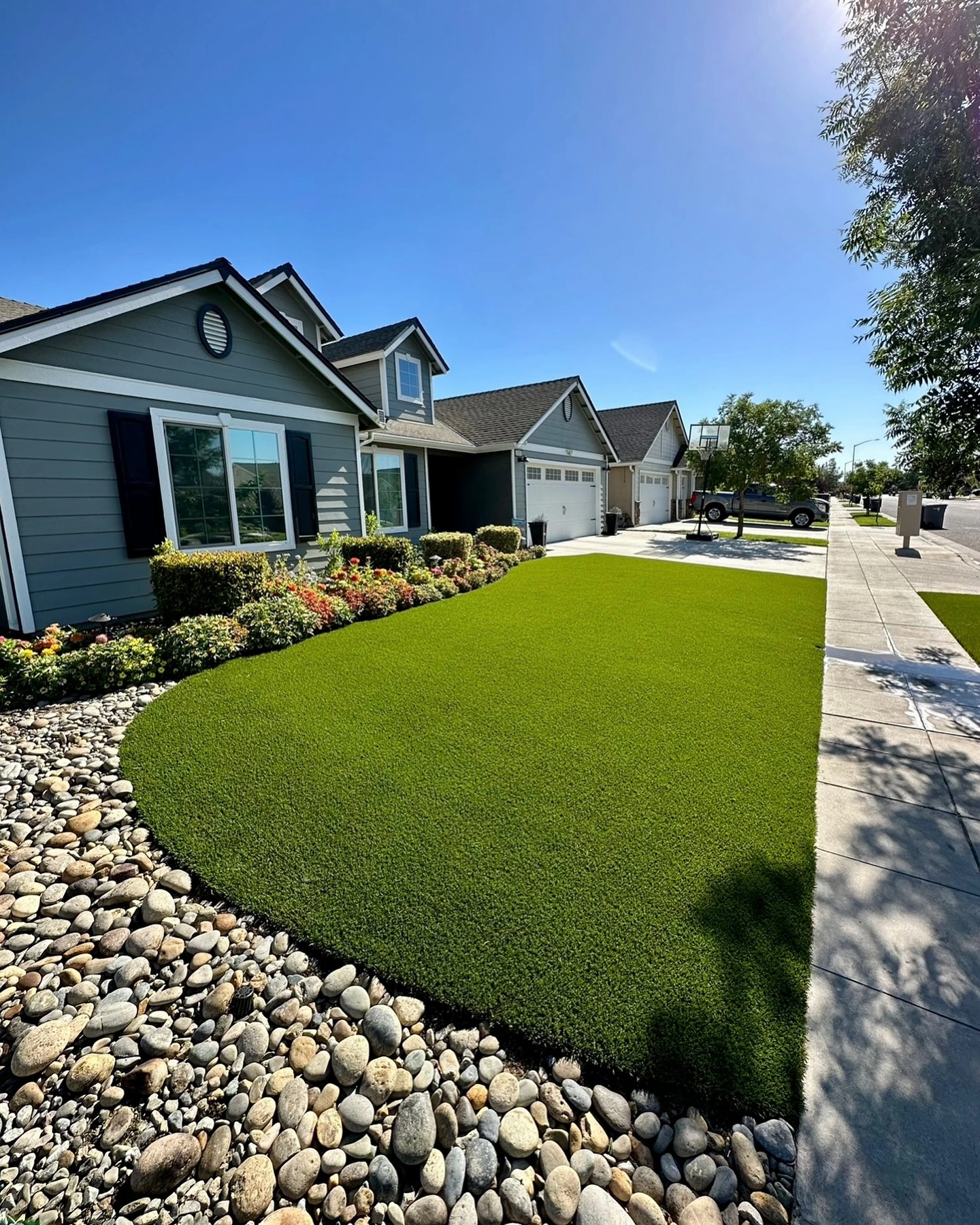
Every project begins with excavation. Before any artificial grass is installed, we remove soil to a depth that allows a strong base to be created. This eliminates loose soil that may compress later or materials that could hold moisture directly beneath the turf.
Next, a stone base is installed, shaped, and compacted to form a stable, uniform surface. Proper compaction prevents future settling. It also ensures the turf feels sturdy beneath foot traffic—from kids playing outside to adults gathering in seating areas. A solid base layer gives Indiana synthetic grass the support it needs to withstand environmental changes while staying smooth and natural-looking year-round.
Drainage Protects the Surface
Indiana’s weather patterns can shift from dry heat to heavy rain, so water management is an essential part of installation. Turf should allow moisture to move downward rather than sit on the surface or accumulate around seams. A well-designed base layer encourages drainage, dispersing water without creating mud pockets or slow-drying areas. When drainage is integrated correctly, you avoid:
- Surface puddles
- Odor from trapped moisture
- Slippery conditions
- Inconsistent drying
- Backing degradation
That’s why a turf system must be engineered with drainage in mind—not added later. With the right design, artificial turf stays usable after rainfall and feels fresh even in humid conditions.
Seam Placement, Alignment, and Cutting
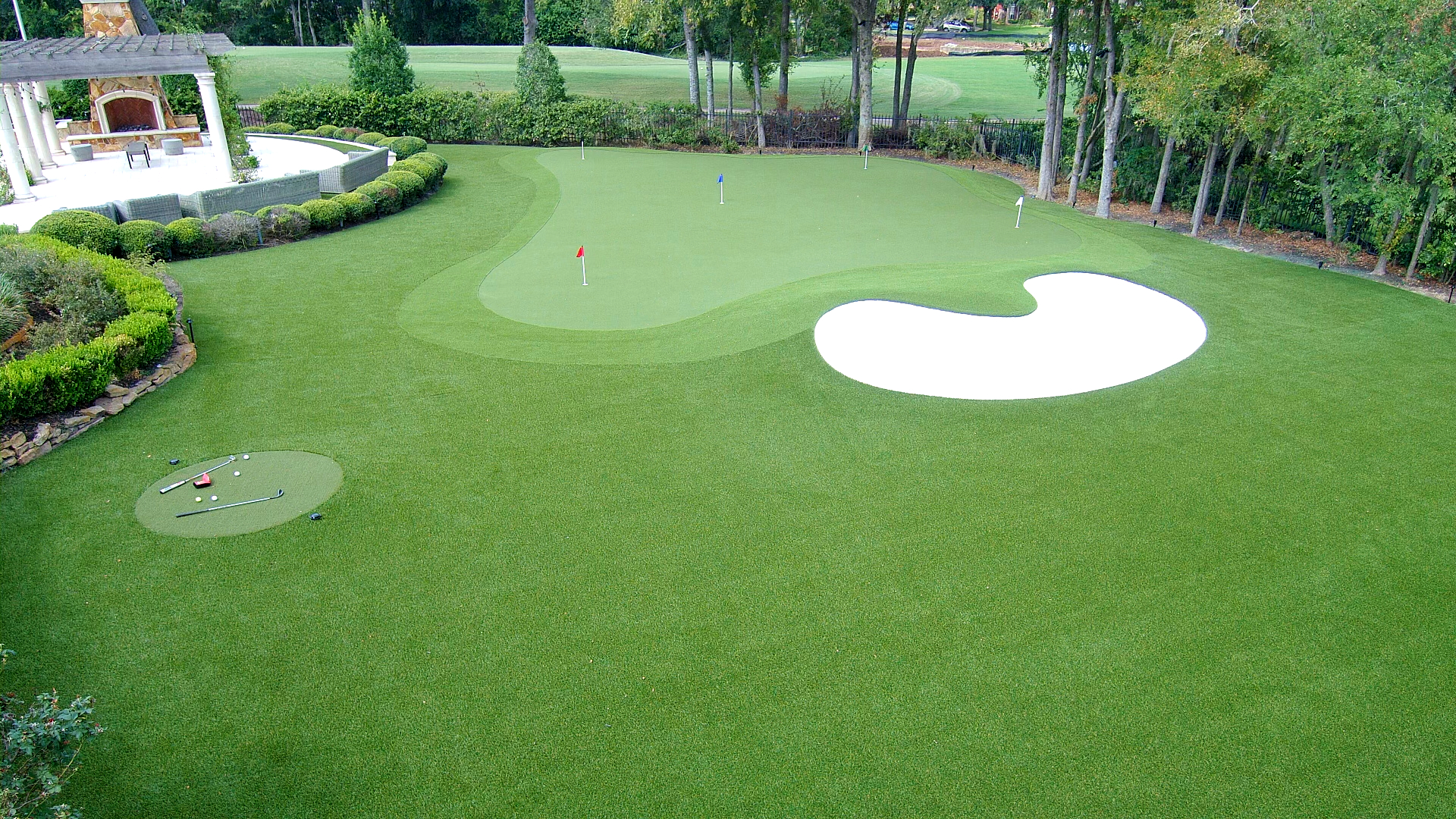
Visual realism often depends on seam work. Seams that are placed without intention can break the illusion of a continuous landscape. SYNLawn carefully studies the space to place seams where they’re least noticeable and least likely to experience stress from foot traffic or ground movement.
Alignment matters, too. All panels are installed so the fibers point in the same direction. Even a slight shift can create a visible change in shading when sunlight hits the surface. We cut seams from the backing side to protect the fibers, then use turf-specific adhesive to create a strong, permanent bond. When brushed and settled correctly, the seam blends into the design, helping Indiana synthetic turf look like one complete lawn rather than several pieces fitted together.
Infill: A Small Detail With Huge Impact
Infill is the finishing layer that gives turf blades their upright structure. It also adds the weight needed to keep the turf stable, minimizes fiber wear, and protects the backing from UV exposure.
Once infill is applied, brushing lifts the fibers, separates blades, and distributes material evenly. This step changes the visual depth of the surface. Without it, turf can look flat or compressed. With it, synthetic grass gains natural dimension and texture. The right infill also helps the surface feel more cushioned and comfortable during everyday use.
The Cost of Cutting Corners
Low-cost installation may look appealing, but shortcuts nearly always lead to repairs later. Common signs of improper installation include:
- Edges curling at borders
- Visible seam lines
- Wrinkling after heat exposure
- Water pooling in low spots
- Soft, uneven patches
- Turf shifting under repeated use
Fixing these issues often requires removing turf, rebuilding the base, and reinstalling the surface. Doing it correctly the first time prevents unnecessary expense and helps your lawn remain attractive through many seasons. When installation meets professional standards, artificial turf becomes a long-term investment rather than a constant maintenance concern.
Why SYNLawn’s Approach Works Better
Our installation method is shaped by both engineering and local conditions. Indiana soil can behave differently from one neighborhood to the next, and freeze-thaw cycles add extra demand on outdoor surfaces. SYNLawn builds turf systems ready for those shifts, not only in dry summer conditions.
We focus on details that many people never see:
- Depth and compaction of the base
- Drainage flows across the surface
- Seam placement under real movement patterns
- Fiber direction in relation to sunlight
- Even infill distribution for stability
Together, those decisions create a landscape that feels natural to walk on, easy to care for, and visually consistent through the seasons.
Choosing the Right Partner
When exploring turf options, ask installers about their process. A knowledgeable partner should explain each step clearly, including excavation depth, base materials, drainage design, seam bonding, and infill techniques. The clearer the answer, the more confidence you’ll have in the final outcome.
At SYNLawn, installation isn’t just labor—it’s craftsmanship. We see turf as a permanent change to a space, not a temporary solution. When it’s built correctly, it becomes a refined surface that supports daily life without demanding constant upkeep. With the right approach, the benefits of Indiana artificial grass become part of your outdoor routine every day.