
Choosing artificial grass for a Zionsville property involves more than selecting a turf sample. The quality of the installation matters just as much as the product itself. Proper grading, drainage, base preparation, seam placement, and edge work all affect how the finished lawn performs.
At SYNLawn Indiana, we install artificial grass as a complete landscape system. We consider how the property is used, where water travels, how much traffic the lawn receives, and what surrounds the installation. These ten questions explain what Zionsville homeowners should know before hiring an artificial grass installer.
1. What Problems Can Artificial Grass Solve in a Zionsville Yard?
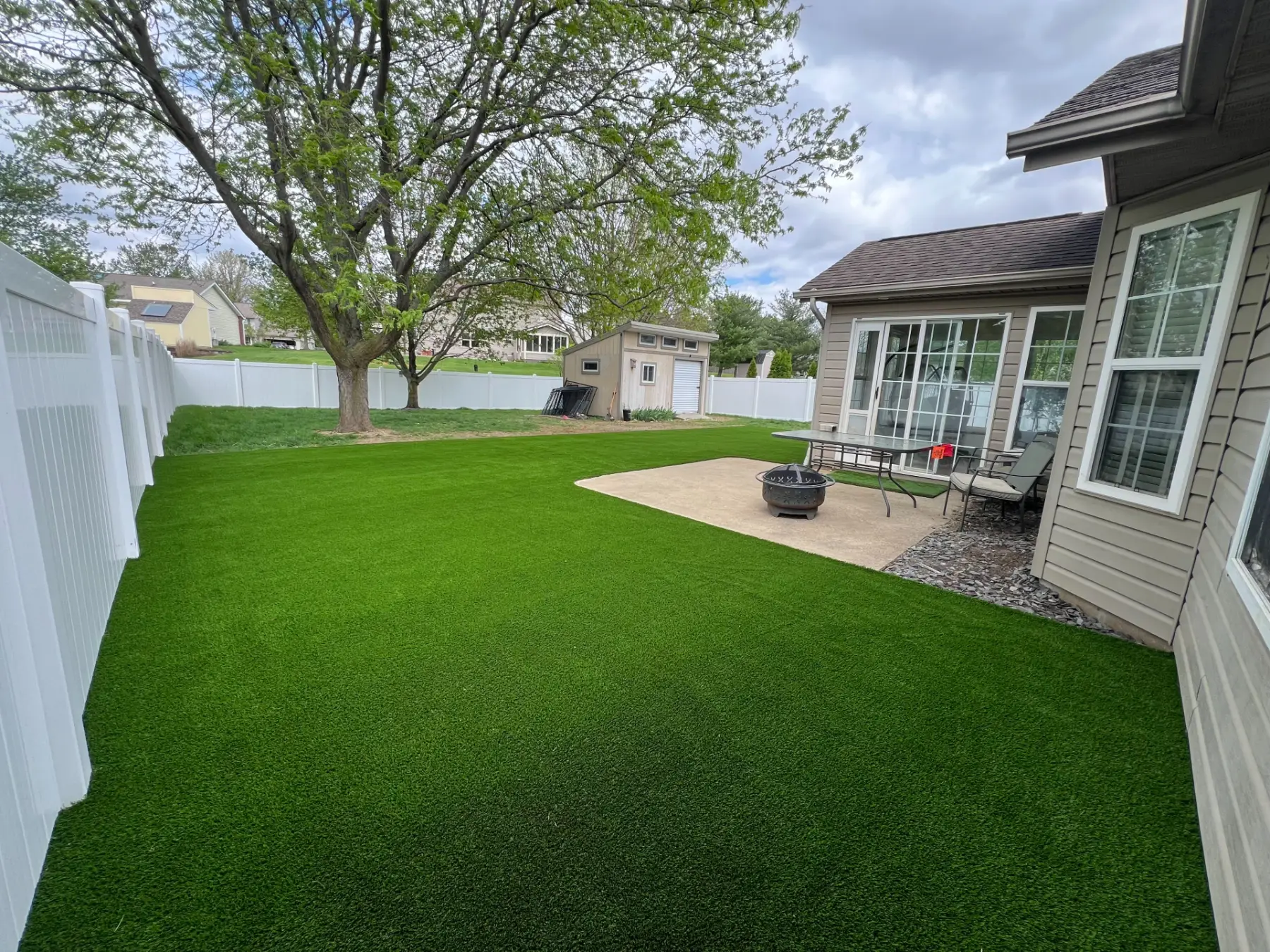
Artificial grass can solve several common lawn problems. Some homeowners struggle with muddy areas, bare patches, heavy shade, or grass that wears down near patios and gates. Others simply want to spend less time mowing, watering, fertilizing, and repairing their lawn.
The right artificial grass can create a more consistent surface in these difficult areas. However, the installer should first understand why the natural lawn is failing. A shaded side yard may need a different approach from a heavily used backyard.
This is why a professional site evaluation matters. Instead of covering the problem, an experienced installer can design the new turf system around the property’s actual conditions.
2. Why Does the Artificial Grass Installer Matter So Much?
Even premium artificial grass can produce poor results if it is installed incorrectly. The work under the turf creates the foundation for everything homeowners see afterward.
A professional installer removes unsuitable material, establishes the correct grade, builds the base, and compacts it properly. The installer also plans drainage, positions the turf, creates seams, secures the edges, and applies the correct infill.
Each step affects the next. For example, weak compaction can create dips later. Poor seam placement can make separate sections of turf easy to see. Loose edges may also shift over time.
Professional installation reduces these risks. It also helps the turf fit more naturally around patios, walkways, gardens, trees, and other landscape features.
3. What Happens Before Artificial Grass Is Installed?
The first step is usually removal. Existing grass, roots, weeds, loose soil, and other unsuitable materials may need to come out before a new surface can be built.
Next, the installer evaluates the exposed area. This is the best time to correct uneven sections or identify drainage concerns. The finished elevation also needs to be planned around nearby patios, sidewalks, curbs, and landscape borders.
A stable base is then installed and compacted. This gives the artificial grass a solid surface to rest on.
Taking time with this preparation can prevent many future problems. Artificial grass should not be expected to hide an unstable surface underneath it. Good installation starts before the turf is ever unrolled.
4. How Does Artificial Grass Handle Rain and Drainage?
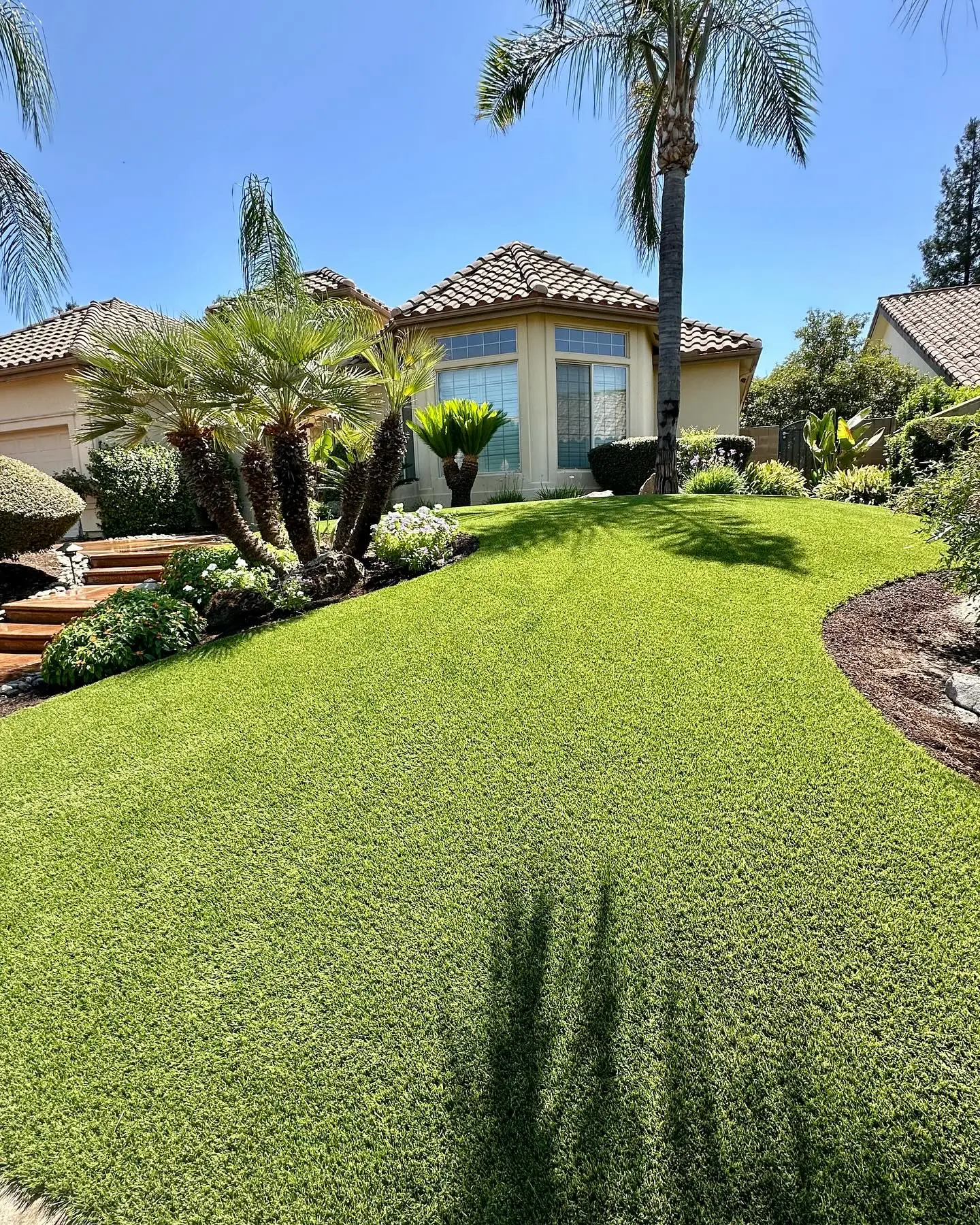
Drainage starts with understanding how water already moves through the property. A professional installer should identify low areas, slopes, downspouts, nearby pavement, and existing drains before installation begins.
Select SYNLawn products feature SuperDrain+™ technology. This advanced system is designed to move water rapidly through the turf. That can be especially useful in areas that need to recover quickly after rain.
However, the turf is only one part of the solution. Water still needs somewhere to go after it passes through the backing.
For that reason, the installer must prepare the base and grade correctly. Good drainage comes from combining the right turf system with proper site preparation. One cannot replace the other.
5. Can Artificial Grass Handle an Active Family Backyard?
Yes. Artificial grass can be a practical option for yards that receive frequent use from children, guests, and everyday outdoor activity.
Natural grass often wears down first near patios, doors, play areas, and common walking routes. These spots may turn thin or muddy because the grass cannot recover fast enough.
Select SYNLawn products use Super Yarn™ technology to improve performance in demanding outdoor environments. This technology is built into the turf fibers and helps create a more durable surface for regular use.
The installation underneath still matters. A strong base, secure seams, and properly finished edges help the entire system stay stable.
When the turf and installation are matched to the expected traffic level, homeowners can create a lawn designed for everyday use rather than just appearance.
6. Does Artificial Grass Get Hot During Zionsville Summers?
Artificial grass can warm in direct sunlight. The same is true for concrete, pavers, decking, and many other outdoor surfaces.
For sunny areas, select SYNLawn products feature HeatBlock™ technology. HeatBlock™ is designed to reduce heat buildup in the turf. Applicable products can remain up to 20 percent cooler than comparable synthetic grass without the technology.
This can provide added value in backyards, play areas, and outdoor living spaces that receive long periods of direct sun.
Shade is still important. Trees, umbrellas, covered patios, and pergolas can all make outdoor spaces more comfortable.
A professional installer can review the property’s sun exposure before recommending turf. That helps ensure heat-management technology is used where it provides a real benefit.

7. Why Does Artificial Grass Backing Matter?
Homeowners naturally focus on how artificial grass looks and feels. However, the backing is also an important part of the turf system.
Select SYNLawn products use EnviroLoc+™ plant-based backing. This system incorporates renewable plant-based content into the backing material. It provides another option for homeowners who want to consider what goes into the construction of their artificial grass.
The backing also helps hold the turf fibers securely in place. That makes it an important structural component even though it disappears after installation.
Product selection should still begin with the intended use of the lawn. Once those performance needs are clear, features such as EnviroLoc+™ can provide additional value for homeowners comparing available SYNLawn options.
8. How Do Installers Make Artificial Grass Look Natural?
A natural-looking installation depends on careful planning. Artificial grass has a fiber direction, so the installer needs to decide how the material should face before making cuts.
The main viewing angles also matter. A lawn may be viewed most often from the patio, street, kitchen windows, or another outdoor area. Professional installers consider those sightlines when planning the layout.
Seam placement is another important detail. Large lawns may require several sections of turf, but those sections should be joined carefully so they do not distract from the finished surface.
Finally, the turf must be trimmed precisely around planting beds, walkways, trees, and other landscape features. Good finishing helps the artificial lawn feel like part of the property instead of a separate material placed on top of it.
9. What Should I Compare When Reviewing Installation Quotes?
Price is important, but homeowners should also compare what each proposal includes.
Ask how much excavation will be completed. Find out how the base will be constructed and compacted. The installer should also explain how drainage, seams, edges, infill, and cleanup will be handled.
Property access can affect cost as well. A wide side yard may allow materials to move easily. A narrow entrance can require more labor. Curves, slopes, trees, landscape beds, and hardscape can also increase the amount of detailed installation work.
A lower square-foot price does not always mean a better overall value.
The best comparison is between complete installation systems. Homeowners should understand what is happening beneath the turf before deciding which proposal offers the strongest long-term value.

10. What Long-Term Benefits Does SYNLawn Offer?
Artificial grass can reduce many traditional lawn chores. Homeowners no longer need to mow the turf, reseed worn areas, or fertilize it to maintain a green appearance.
Material quality also matters over the long term. SYNLawn artificial grass is manufactured PFAS-free, which adds another consideration for homeowners comparing turf systems.
SYNLawn also offers a limited lifetime warranty on qualifying products. This provides added confidence for homeowners making a long-term landscape investment.
However, warranty coverage and product quality should not be viewed separately from installation. A premium product still needs a properly prepared foundation.
The strongest results come from combining the correct turf, application-specific technologies, professional installation, and a simple maintenance routine.
Plan Your Zionsville Artificial Grass Installation With SYNLawn Indiana
Artificial grass works best when every part of the system addresses a specific need. SuperDrain+™ can support areas where drainage is important. HeatBlock™ can add value in sunny locations. Super Yarn™ can help support active outdoor spaces. Professional installation connects those benefits to the property itself.
At SYNLawn Indiana, we help Zionsville homeowners plan artificial grass around their landscape, drainage, traffic levels, and long-term goals. Contact us today to schedule a free consultation and learn how professionally installed artificial grass can create a cleaner, more dependable, and easier-to-maintain lawn.